Can I Control Each Zone from My Phone with Zone Air or MRCOOL?
As someone who’s spent nearly a decade writing about home renovations where mechanical choices shape the room’s look, I get a lot of questions about mini split wifi control, particularly about controlling individual zones from your phone. If you're eyeing brands like Zone Air or MRCOOL, or exploring options from Pioneer, you’re in the right place. Today, we’ll talk about what true DIY means in the mini split world, the subtle art of aesthetics and placement as decor decisions, crucial line set strategies to prevent leaks, and whether mixing air handler types on one condenser is a solid plan.
True DIY vs Not-Really-DIY Mini Splits
The mini split market often throws around the term “DIY.” But let’s pause and clarify: true DIY mini splits let you install without a licensed HVAC tech, while not-really-DIY options require pros, even if you buy parts yourself.
MRCOOL is often touted as the leader in true DIY mini splits. Their systems come pre-charged with refrigerant and use quick connect fittings, so no vacuum pump or refrigerant charging is necessary. If you have basic handyman skills, you can install these yourself. However, local codes sometimes require professional electrical hookups—even on DIY-friendly systems. That’s a nuance that many gloss over but is non-negotiable if you want to stay up to code.
On the other hand, many Zone Air and Pioneer packages require a licensed HVAC technician for the line set evacuation and refrigerant charging, meaning they’re not true Check out here DIY. Zone Air’s Build Your Own tool is fantastic for customizing multi-zone configurations, but DIY installation is usually out of the question.
- MRCOOL: True DIY, thanks to quick connect fittings and pre-charged lines.
- Zone Air: Mostly professional installation despite the customizable Buy Your Own tool.
- Pioneer: Requires licensed installation, standard line set connections.
Pro tip: Before starting your installation, always confirm local permitting and code requirements. There’s nothing worse than a perfectly installed system later outlawed for skipping mandated inspections or certified hookups.
Mini Split Wifi Control and App Control: How Does It Work for Individual Zones?
Think about it: if you want to control each zone from your phone, the good news is many modern mini splits have excellent app control features.
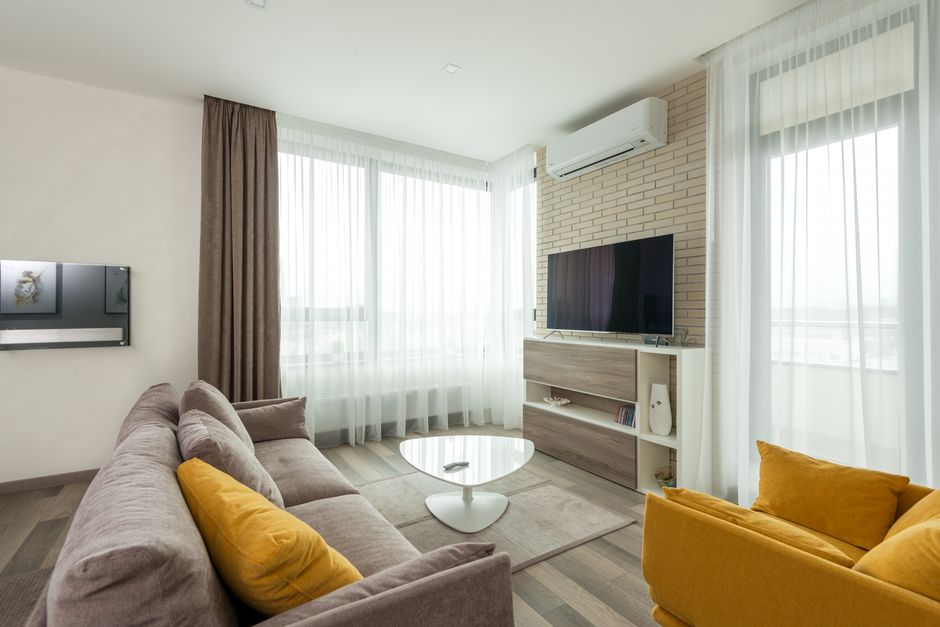
MRCOOL offers smart wifi-enabled controllers allowing you to monitor temperature, fan speed, and modes for each zone remotely. Their app is intuitive and works well for standalone as well as multi-zone systems. This real mini split wifi control means you’re not tied to a wall remote or built-in controls.
Zone Air systems often use third-party wifi adapters. While this adds app control, the interface and reliability sometimes lag behind MRCOOL’s built-in solution. But their Build Your Own tool lets you mix and match components and add wifi adapters per zone, achieving truly individualized control over air handlers.
Pioneer units vary widely by model. Whereas some entry-level units lack app functionality, their higher-end lines offer wifi control options via proprietary or third-party apps.
Can You Control Each Zone from a Single App?
Yes, but there are nuances:
- MRCOOL: One app for all zones tied to one condenser, with clear naming and zone-specific controls.
- Zone Air: Potentially multiple apps depending on wifi adapter brand; careful planning needed to avoid app fatigue.
- Pioneer: Best to verify if your chosen model supports multi-zone wifi controls natively.
From a decor standpoint, the ability to set individual zones means each space’s temperature and airflow works with your lifestyle and design. Imagine lowering the bedroom zone overnight through your phone while keeping the living room cooler or warmer based on usage—pure comfort meets smart living.
Aesthetics and Placement: More Than Just Mechanical Decisions
When planning mini splits, many overlook how air handler placement affects room aesthetics. These indoor units are visible design elements, and with plaster walls and beautiful original trim, you want to avoid ruining your gallery wall or focal points.
Here’s a quirky but effective tip: use cardboard cutouts the size of your air handlers to tape on the wall, simulating placement. Do this at actual head height to assess how the unit interrupts sightlines and furniture arrangements. It's handy for deciding whether a wall mount or a ceiling cassette fits better without stealing from your decor.
For example:
- Wall-mounted units on a prominent wall can disrupt photos or artwork—avoid the “things that ruin a gallery wall” like blocking frames.
- Ceiling cassette units from Zone Air can be recessed subtly, keeping your room’s look cleaner but requiring a bit more ceiling modification.
- Floor-mounted units might suit rooms with available baseboard space, but mind clearance and sunlight.
Also remember to consider what the line hide will look like from an outdoor vantage point, like your patio or garden. The neatness of visible line sets can enhance or detract from curb appeal. MRCOOL’s quick connect fittings help reduce bulky coils that often look messy on exterior walls.
Line Set Strategy and Leak Risk: Why It Matters More Than You Think
The refrigerant lines (line sets) are the veins of your mini split system. A strategy for routing them has an impact on performance and long-term reliability, as well as aesthetics.
Two common mistakes that bug me:
- Excessive line coiling: Angled or upturned loops to make up slack can cause refrigerant restrictions or pooling. This not only reduces efficiency but increases leak risk.
- Hybrid couplers or non-standard fittings: Especially on multi-zone setups, using different brands or generic adapters can cause leaks at joints over time.
MRCOOL's quick connect fittings simplify the risk by allowing cleaner, minimal connections without professional flare tools or vacuum pumps. But with Zone Air and Pioneer, getting your installer or yourself to make flawless flare fittings is critical—and expect to pay for parts and labor.
In old homes with plaster walls, careful line set routing minimizes cutting. However, longer line runs increase refrigerant risk, so try to keep distances within manufacturer specs. Pulling these lines through original trim requires patience but rewards you in longevity and visual appeal.
Mixing Air Handler Types on One Condenser: Does It Work?
One cool feature of multi-zone mini splits, especially those from Zone Air and Pioneer, is the ability to mix air handler types—wall mount, floor mount, ceiling cassette—on a single condenser unit.
This flexibility is perfect for different rooms:
- Living room: ceiling cassette preserves wall space and aesthetics.
- Bedroom: quiet wall mount unit that’s unobtrusive.
- Basement or sunroom: floor mount for easy airflow at lower levels.
However, be mindful that not all systems support every air handler combination, and firmware or controls sometimes require matching or compatibility checks.
MRCOOL systems tend to be more standardized, often favoring wall mounts, best ceiling cassette mini split though new offerings include cassette models.
Zone Air’s Build Your Own tool excels here, allowing you to pick a condenser and mix air handlers to suit your floor plan and decor preferences—a huge advantage when aesthetics and function need to blend seamlessly.

Summary Table: Comparing Zone Air, MRCOOL, and Pioneer for App Control and Installation
Feature MRCOOL Zone Air Pioneer True DIY Installation Yes, with quick connect fittings and pre-charged lines No, line set prep usually needs a tech No, licensed HVAC required Multi-Zone Support Yes, app controls all zones Yes, customizable via Build Your Own tool Yes, with proper configuration Integrated Wifi Control Yes, native Often 3rd party adapters Varies by model Line Set Type Quick connect, reduces leak risk Standard flare fittings Standard flare fittings Mix Air Handler Types Limited but growing options Highly flexible via configuration Yes, within system limitsFinal Thoughts
You absolutely can control each zone from your phone when using brands like Zone Air or MRCOOL, but what that means for you depends on your priorities. If you want true DIY with minimal tools and worry-free line sets, MRCOOL’s quick connect systems with native wifi control might be the way to go.
If customization and mixing multiple air handler types to suit your decor are higher on your list, then Zone Air’s Build Your Own tool is a powerful resource, albeit one that likely needs pro installation for safe leak-free operation.
Whatever you decide, take your time planning the placement—not just mechanically but as a design element. Use cardboard cutouts to simulate air handler locations, think about what the line hide will look like from your patio, and never underestimate the importance of professional-grade line set connections, even if you’re hands-on with the rest.
Now that you know the difference between true DIY and not-really-DIY mini splits, the importance of line set strategy, and how to nail individual zone control in an aesthetically pleasing way, you’re ready to take control—literally—from your phone. So anyway, back to the point.